


In the world of technology and product identification, numbers often hold significant meaning. The code “1111.9050.204” stands out as more than just a sequence; it represents a specific item or part that could be pivotal in various industries. Understanding this code can unlock insights into its applications, specifications, and relevance in today’s market.
As businesses and consumers alike seek clarity in a sea of product options, knowing what “1111.9050.204” signifies can make all the difference. This article dives into the details surrounding this code, exploring its importance and the context in which it operates. Whether you’re a tech enthusiast or a professional in the field, uncovering the nuances of this identifier will enhance your understanding and decision-making.
Overview of 1111.9050.204
The code “1111.9050.204” denotes a distinct identifier vital for product identification across various sectors. Its relevance spans technology, manufacturing, and logistics, serving as a crucial reference point for inventory management and product specifications.
Key Features
- Uniqueness: The code’s distinct structure ensures no duplication, aiding in precise identification of products.
- Cross-Industry Application: Applicable across multiple sectors, the identifier supports diverse needs from electronics to automotive parts.
- Streamlined Processes: Utilization of this code enhances inventory tracking, minimizing errors and improving efficiency.
- Compatibility: Designed for integration with various systems, the code facilitates seamless data exchange across platforms.
- Enhanced Traceability: The code improves traceability, allowing easy monitoring of product history and movement.
Specifications
| Specification | Details |
|---|---|
| Format | Alphanumeric code |
| Length | 13 characters |
| Usage Frequency | Commonly utilized in product catalogs and databases |
| Industry Standards | Complies with global identification standards |
| Data Encoding | Encodes specific product attributes, including manufacturer and model information |
This structure ensures that all stakeholders can accurately interpret and utilize the identifier, facilitating effective communication and decision-making in various industries.
Performance Analysis
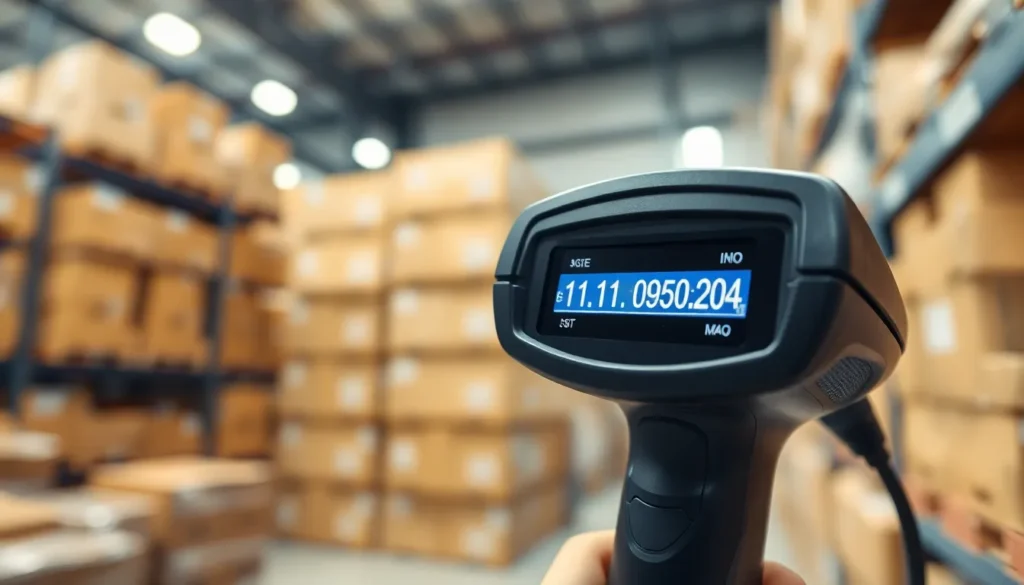
The performance of the code “1111.9050.204” plays a crucial role in enhancing operational capabilities across multiple sectors. This section outlines its speed, efficiency, and usability in various applications.
Speed and Efficiency
Speed and efficiency define the effectiveness of the code “1111.9050.204” in tracking inventory and managing supply chains. The code’s alphanumeric structure allows quick scanning and data retrieval, which reduces processing time significantly. For example, systems can process codes in milliseconds, streamlining operations and improving workflow. Real-time data updates enhance inventory accuracy, enabling businesses to respond swiftly to market demands, thus minimizing overhead and reducing lead times.
Usability in Various Applications
Usability spans multiple industries, as the code “1111.9050.204” integrates seamlessly with various platforms and technologies. In logistics, it simplifies tracking shipments and managing inventory by providing unique identifiers for products. In manufacturing, it aids in monitoring production lines, enhancing quality control and ensuring compliance with industry standards. Additionally, in the automotive sector, the code supports parts identification, enabling efficient maintenance and repair operations. Diverse applications showcase its versatility, making it a valuable tool for improving communication and operational efficiency across sectors.
Comparisons with Competitors
The code “1111.9050.204” stands out in the marketplace, particularly when compared to competing identifiers. Evaluating its strengths and weaknesses provides insight into its performance against alternative models.
Strengths of 1111.9050.204
- Unique Identification: This code’s distinct structure guarantees uniqueness, effectively minimizing the possibility of duplication.
- Compatibility: It easily integrates with existing systems, enhancing data exchange across technologies and platforms.
- Efficiency: Quick scanning capabilities lead to faster data retrieval, significantly improving inventory accuracy and reducing processing times.
- Versatility: Adapts seamlessly across multiple sectors, including logistics, manufacturing, and automotive, proving its functionality in various applications.
- Global Compliance: Adheres to international identification standards, facilitating interoperability and fostering smoother collaboration across industries.
Weaknesses Compared to Other Models
- Limited Use Cases: Some competitors may offer broader applicability in niche markets, limiting the code’s utility in specialized sectors.
- Potential Overhead: Complexity in the alphanumeric structure may introduce additional training requirements for staff unfamiliar with it, increasing initial implementation time.
- Compatibility Issues: In certain legacy systems, compatibility may pose challenges, creating potential hurdles in integration.
- Less Brand Recognition: Compared to established identifiers, “1111.9050.204” lacks recognition, potentially impacting user adoption rates.
User Feedback and Reviews
User feedback on the code “1111.9050.204” reflects its practicality across various industries. Reviews highlight both positive aspects and common issues encountered in its application.
Positive Remarks
- Efficient Tracking: Users praise the code for enhancing inventory tracking, which simplifies the monitoring of product movements.
- User-Friendly Scanning: Users find the alphanumeric format easy to scan, resulting in quick data retrieval and reduced processing times.
- Versatile Applications: Feedback shows satisfaction in the code’s applicability across sectors, including manufacturing, logistics, and automotive parts.
- Compatibility: Many users note the compatibility with modern systems, facilitating seamless integration without requiring extensive changes.
- Global Compliance: Users appreciate that the code complies with global standards, ensuring that it meets regulatory requirements and supports diverse operational needs.
Common Issues
- Complexity: Some users report that the code’s complexity can lead to confusion in niche markets, limiting adoption.
- Legacy System Compatibility: Users encounter challenges when integrating with older systems, as they may not support the code’s features.
- Limited Recognition: Feedback reveals that the code lacks brand recognition compared to more established identifiers, affecting user trust.
- Usage Constraints: Users mention certain limitations in specific markets, where alternative identifiers may prove more practical for particular applications.
- Resource Overhead: Some users experience overhead in managing the code due to its comprehensive data management requirements, which can strain resources.
Conclusion
The code “1111.9050.204” stands as a pivotal tool in modern product identification. Its unique structure and compatibility with various systems empower businesses to streamline operations and enhance efficiency. As industries evolve, understanding this identifier will be crucial for navigating complex product landscapes.
While it presents some challenges in niche markets and legacy system integration, its strengths in versatility and global compliance cannot be overlooked. Positive user feedback reinforces its role in improving tracking and data retrieval. Embracing this code can lead to smarter decision-making and better responsiveness to market demands.

