

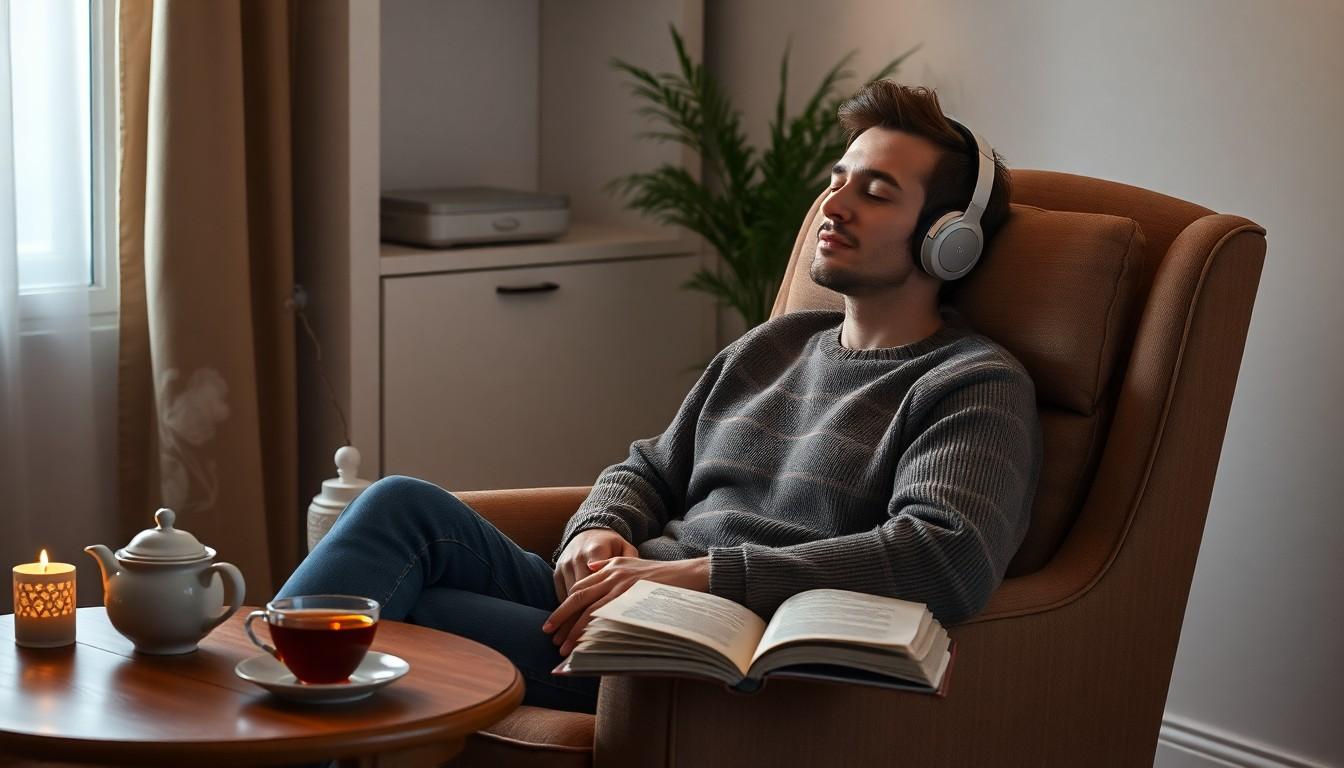
In a world buzzing with chaos and noise, finding a moment of peace can feel like searching for a needle in a haystack. Enter classical relaxing music, the soothing balm for frayed nerves and overactive minds. It’s like a warm hug for the soul, wrapping listeners in a gentle embrace of harmonious melodies that whisk them away from daily stressors.
Understanding Classical Relaxing Music
Classical relaxing music offers a soothing antidote to the stresses of modern life. This genre envelops listeners in melodious harmonies, creating a serene atmosphere.
Definition and Characteristics
Classical relaxing music features soft melodies, gentle instrumentation, and slow tempos. Compositions typically involve strings, piano, and woodwinds, fostering a tranquil environment. Ambient soundscapes contribute to the feeling of calm, often evoking emotions like peace and introspection. Pieces might employ repeating motifs, allowing listeners to fully immerse themselves in the experience. Classical relaxing music also aims for simplicity, emphasizing elegance over complexity.
Historical Context
This genre has roots in the rich history of classical music, dating back to the 17th century. Composers like Johann Sebastian Bach and Claude Debussy paved the way with their innovative approaches. The relaxation aspect gained prominence during the Romantic period, focusing on emotional expression. In the late 20th century, artists began blending classical elements with contemporary styles, broadening its appeal. Today, various platforms feature classical relaxing music for meditation, stress relief, and enhanced focus.
Benefits of Classical Relaxing Music

Classical relaxing music provides numerous benefits that enhance overall well-being. Listening to this genre fosters mental clarity and emotional stability.
Mental Health Benefits
Engaging with classical relaxing music reduces stress levels significantly. Studies show that it lowers cortisol, the stress hormone. This soothing music also helps alleviate anxiety, promoting a sense of calm and safety. Enhanced concentration occurs as melodies create a serene environment beneficial for focus. Listening to soft piano or string arrangements often leads to improved mood and emotional resilience. Regular exposure to this music type can even support mindfulness practices by grounding listeners in the present moment.
Physical Health Advantages
Classical relaxing music contributes positively to physical health by lowering blood pressure. Regularly listening can enhance heart health and circulation. Improved sleeping patterns often result from its calming effects, leading to better rest. This music type encourages relaxation, which can reduce muscle tension and pain. Additionally, classical compositions may enhance recovery after surgical procedures by easing anxiety. Encouraging deep breathing and lower heart rates, classical relaxing music plays a significant role in promoting overall physical wellness.
Popular Classical Relaxing Compositions
Classical relaxing music showcases notable composers and iconic pieces that exemplify tranquility and serenity.
Notable Composers
Johann Sebastian Bach significantly influenced classical relaxing music with serene compositions. Claude Debussy introduced impressionistic melodies that evoke calmness. Erik Satie, known for minimalism, created pieces that promote relaxation. Frédéric Chopin’s gentle piano works offer soothing harmonies, enhancing emotional well-being. Additionally, Ludovico Einaudi merges contemporary styles, blending classical elements that appeal to modern listeners.
Iconic Pieces
“Clair de Lune” by Debussy stands out as a quintessential calming piece. “Gymnopédies” by Satie features delicate notes that transport listeners to peaceful realms. Bach’s “Air on the G String” embodies elegance and tranquility. Chopin’s “Nocturne in E-flat major, Op. 9, No. 2” creates an intimate atmosphere perfect for relaxation. Einaudi’s “Nuvole Bianche” captivates with its flowing melodies, making it a favorite among those seeking calm.
How to Incorporate Classical Relaxing Music into Daily Life
Integrating classical relaxing music into daily routines enhances overall well-being and serenity. Simple changes in one’s environment create a more peaceful atmosphere.
Listening Environments
Quiet spaces provide the perfect backdrop for classical relaxing music. Consider choosing areas free from distractions for optimal listening experiences. Soft lighting, comfortable seating, and minimal clutter promote relaxation while listening. Additionally, whether it’s during morning coffee or an afternoon break, these settings can elevate enjoyment. Nature sounds, like a gentle breeze or birds chirping, can complement the soothing melodies. Listening during yoga or meditation deepens the calming effect and fosters mindfulness.
Creating Playlists
Custom playlists serve as fantastic tools for incorporating classical relaxing music into daily life. Select pieces according to moods or activities, focusing on calming tracks. Start by mixing favorite composers’ works for a personalized touch. Grouping works by tempo, style, or time period also enhances listening experiences. Listeners may consider longer playlists for extended relaxation sessions, perfect for deep work or winding down before bed. Curating playlists encourages exploration and can lead to discovering new artists or compositions.
Classical relaxing music serves as a powerful tool for navigating the complexities of modern life. Its soothing melodies and gentle harmonies provide an escape from daily stressors and foster a sense of tranquility. By incorporating this genre into everyday routines, individuals can enhance their mental and physical well-being.
With its rich history and diverse influences, classical relaxing music continues to evolve while maintaining its core purpose of promoting relaxation. Whether through iconic compositions or contemporary blends, the benefits are clear. Embracing this musical style can lead to improved focus, reduced anxiety, and a deeper connection to oneself. Ultimately, classical relaxing music is more than just sound; it’s a pathway to peace and serenity in an often chaotic world.

