


Ever wondered what those numbers mean when you’re surfing the web? Let’s face it, IP addresses might not sound as thrilling as a rollercoaster ride, but trust us, understanding them is like having the secret map to your favorite amusement park. Immerse with us as we explore the ins and outs of the enigmatic 111.90.150.1204.
Understanding IP Addresses
What Is an IP Address?
An IP address, or Internet Protocol address, is essentially the digital address of a device on a network. Think of it as your online residency card, uniquely identifying every gadget connected to the internet. This address allows devices to communicate with each other, much like how we send letters through the postal system.
Types of IP Addresses
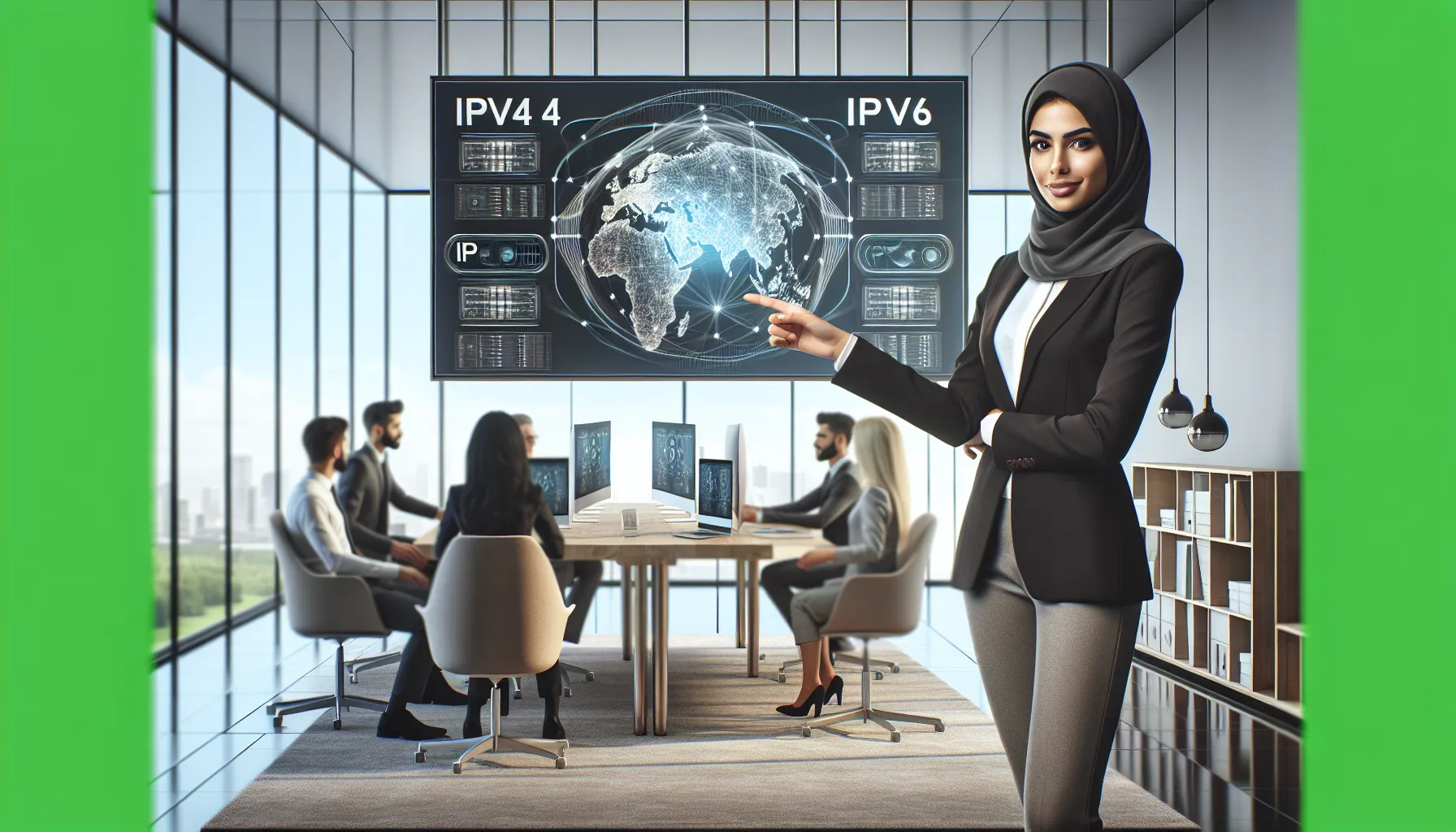
IP addresses fall into two main categories: IPv4 and IPv6. IPv4 addresses consist of four groups of numbers, ranging from 0 to 255, separated by periods, for example, 192.168.1.1. On the other hand, IPv6 is the newest version, designed to accommodate the growing need for internet addresses. It features a much larger number format, composed of eight groups of hexadecimal digits. This advancement is necessary because the demand for IP addresses has exceeded what IPv4 can supply.
How IP Addresses Work
When data is exchanged over the internet, it is broken down into packets. Each packet carries a destination IP address, ensuring that it reaches the correct endpoint. Routers assist by directing these packets through various pathways, much like traffic signs guiding cars across busy intersections. Without IP addresses, we would be navigating the internet like blindfolded tourists in a foreign city, lost and confused.
Analyzing 111.90.150.1204

Geolocation of 111.90.150.1204
The specific IP address 111.90.150.1204 can be analyzed for its geolocation. Typically, this means tracing the location associated with this IP. This particular address likely corresponds to a physical location through databases that map IPs to geographical regions. From city names to country flags, knowing the origin of an IP address can help businesses and individuals alike assess their online interactions.
Potential Uses and Applications
Understanding 111.90.150.1204 is not just about geography. This IP could be pivotal in various applications, such as tracking user engagement, targeting marketing efforts, or even enhancing security measures. Companies often use IP addresses to tailor their services based on user locations, creating a personalized experience. So, the next time you receive a targeted ad, think of it as a friendly nudge from an algorithm powered by your IP.
Understanding Security Implications
Risks Associated with IP Addresses
IP addresses are vital, but they also come with risks. Every time we connect to the internet, our IP address can expose us to cyber dangers such as hacking, identity theft, and data breaches. Attackers can track our online behavior or even launch attacks directed at our devices. Scary, right?
Tips for Protecting Your IP Address
So how do we keep our online presence safe? Here are some strategies we can employ:
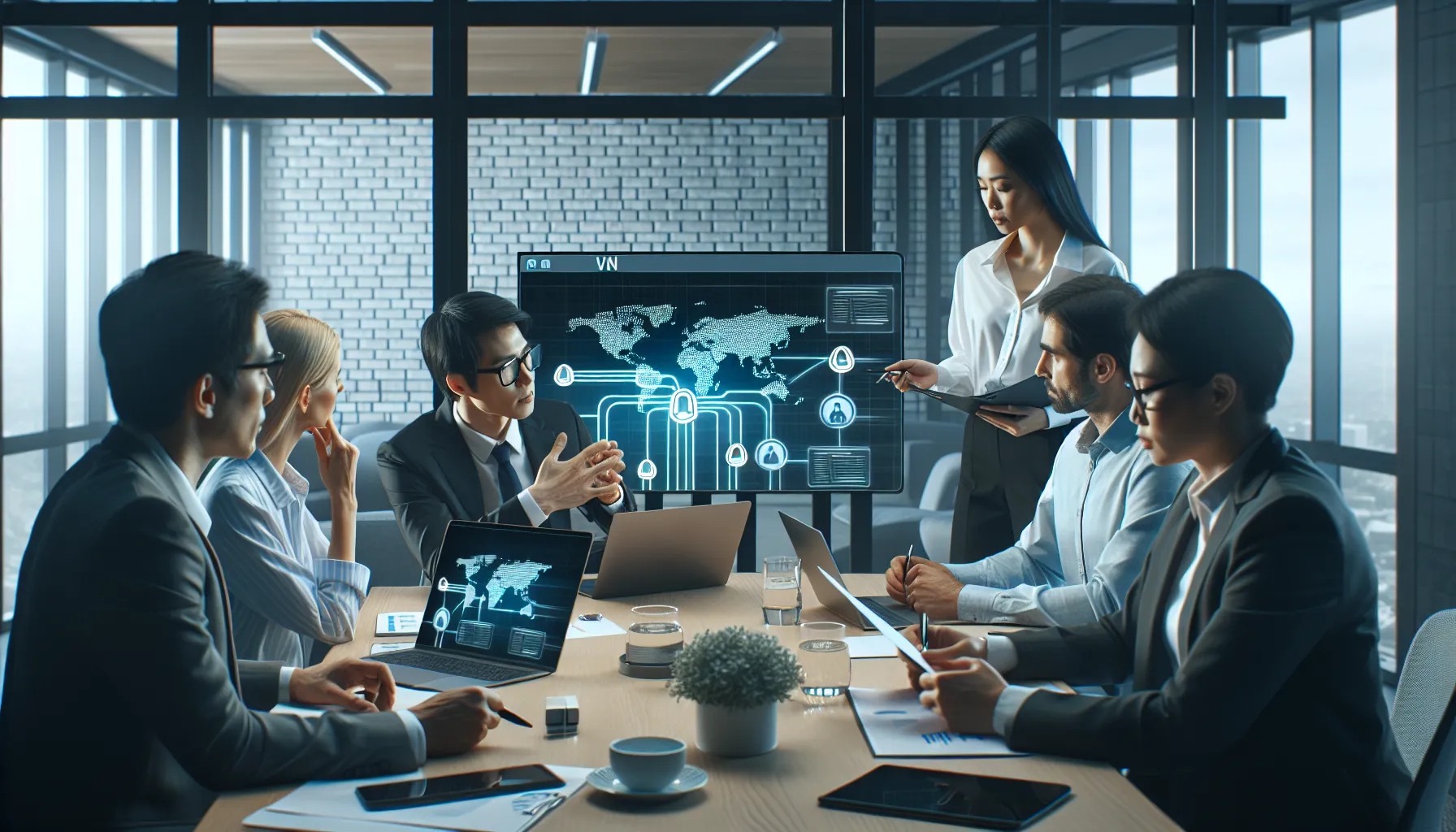
- Use a VPN: Virtual Private Networks encrypt our data and mask our real IP address, providing an extra layer of security.
- Keep our software updated: Regular updates minimize vulnerabilities in our devices.
- Avoid public Wi-Fi for sensitive tasks: While convenient, public networks are hotbeds for cyber threats.
- Educate ourselves: Understanding the potential risks is our first step towards prevention. The more we know, the better we can protect ourselves.

