


Rock music radio isn’t just a station; it’s a time machine that blasts listeners back to the golden age of guitar riffs and rebellious anthems. Imagine cruising down the highway with the wind in your hair, the sun shining, and your favorite rock hits blaring through the speakers. It’s the soundtrack to life’s most exhilarating moments.
In a world overflowing with playlists and streaming options, rock music radio stands out like a rebellious teenager in a sea of buttoned-up suits. It offers a unique blend of nostalgia and discovery, connecting fans to the legends of yesterday while introducing them to the rock stars of tomorrow. So, buckle up and get ready to dive deep into the electrifying world of rock music radio, where every song tells a story and every broadcast feels like a live concert right in your living room.
Overview of Rock Music Radio
Rock music radio serves as a portal to a rich musical heritage. It showcases classic tracks from renowned artists alongside fresh sounds from new talents. Fans experience electrifying guitar solos, powerful vocals, and timeless anthems while tuning in. This format not only celebrates legendary rock icons but also nurtures upcoming musicians looking to make their mark.
Listeners connect with their favorite genres, from classic rock to punk, ensuring there’s something for everyone. During road trips, playlists resonate through speakers, enhancing the adventure with rock’s energy. Local stations often curate specialized shows that dive deep into specific eras or subgenres, fostering community and shared passion.
Rock music radio features interviews with artists, discussions on album releases, and concert coverage. Many stations encourage audience interaction, allowing fans to request songs or share memories, creating a dynamic atmosphere. Engaging with the hosts makes listeners feel like part of the rock community, bridging generations of music lovers.
With the rise of digital platforms and streaming services, rock music radio adapts to new trends by offering on-demand access to curated playlists. Podcasts featuring vintage interviews and thematic discussions attract listeners who crave deeper insights into rock’s evolution. Online communities dedicated to rock music further enhance the radio experience, providing forums for discussion and discovery.
Nostalgia is a powerful draw for many fans, yet rock music radio simultaneously invites exploration. The combination of timeless hits and modern bands cultivates a thriving environment for discovering new favorites. This unique blend keeps rock music vibrant and accessible, ensuring its legacy endures through generations.
The Evolution of Rock Music Radio
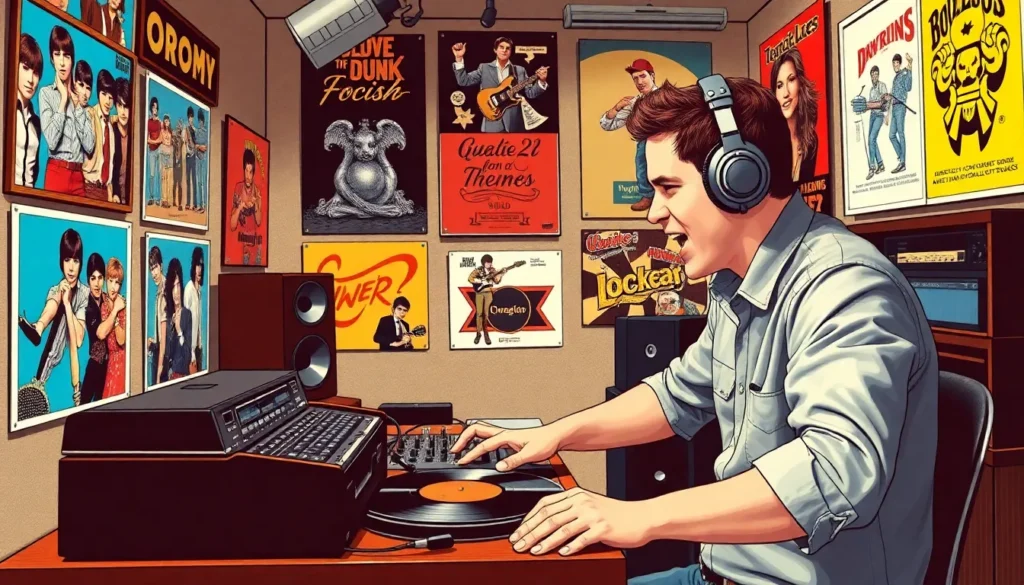
Rock music radio underwent significant transformation since its inception. Growing from humble beginnings, it has become a critical medium for promoting and preserving rock music culture.
The Birth of Rock Radio
The emergence of rock radio occurred in the 1950s as stations began embracing the new genre. Regional broadcasters catered to youthful audiences craving fresh sounds. Early rock artists gained exposure through limited airtime, creating a foundation for future radio programming. Popular songs by pioneers like Elvis Presley and Chuck Berry drew listeners and generated buzz. As bands grew in popularity, the format expanded to include more rock-centric content, solidifying its place in American culture.
Key Milestones in Rock Radio History
Significant advancements marked rock radio’s journey. In 1967, underground and freeform radio stations took shape, allowing DJs to explore diverse music selections. Throughout the 1970s, FM radio emerged as the dominant platform, offering improved sound quality and longer playlists, significantly enhancing listener experience. The rise of rock formats led to iconic stations like WBCN in Boston and KROQ in Los Angeles charting new territories. In the 1990s, the advent of digital streaming further revolutionized the landscape, enabling fans to access countless rock playlists and specialty shows worldwide.
Popular Rock Music Radio Stations
Rock music radio features a diverse mix of stations catering to fans across various preferences. National networks play a crucial role in shaping listener experiences.
National Networks
National rock music networks deliver a consistent listening experience, showcasing classic and contemporary rock tracks. Stations like SiriusXM’s “Rock” channel present an extensive library, covering everything from legendary bands to new talent. Another prominent example is iHeartRadio, which hosts various rock-themed channels, targeting different subgenres. These networks often feature high-profile interviews and exclusive performances, enhancing engagement. Localized elements in programming create a unique blend, allowing stations to retain national listeners while appealing to specific audiences.
Local Stations and Their Impact
Local rock stations contribute significantly to community connection and musical discovery. Oftentimes, these stations highlight regional artists alongside beloved classics, fostering a sense of local pride. Events such as live concerts and promotional gatherings enable interaction between fans and musicians. In addition, specialized shows focusing on niche rock genres cultivate dedicated listener bases. Many local stations rely on audience feedback to shape playlists, keeping content fresh and relevant. This personalized approach enhances the overall experience and keeps the rock music spirit alive.
The Role of DJs in Rock Music Radio
DJs play a crucial role in the landscape of rock music radio, shaping the listener experience with their unique styles and personalities.
Influential DJs in Rock History
Influential DJs have left an indelible mark on rock music radio. Alan Freed, known for coining the term “rock and roll,” helped launch rock radio in the 1950s and promoted artists like Chuck Berry and Little Richard. Casey Kasem’s “American Top 40” revolutionized playlists, giving exposure to both classic and emerging acts. Legendary figures like Jim Ladd and Rodney Bingenheimer showcased underground and alternative rock, fostering new talent in the 1970s and 1980s. Significant contributions from these DJs created a platform for rock legends, ensuring their music remains timeless.
The Art of Rock Radio Hosting
The art of rock radio hosting involves much more than just playing songs. Engaging storytelling captivates listeners, as hosts share background details and personal anecdotes about tracks. Knowledge of music history enriches the experience, allowing DJs to connect eras and styles. Enthusiasm and a passion for rock music create a vibrant atmosphere, making listeners feel part of the journey. Interactivity, such as taking listener requests or hosting contests, fosters community and invites participation, heightening the overall experience. Successful hosts master this balance, making rock radio an enduring medium for music appreciation.
Listener Engagement and Community
Rock music radio fosters deep listener engagement and builds a vibrant community. Fans connect with each other through shared love for the genre, frequently participating in discussions and events hosted by local stations.
Building a Rock Music Community
Creating a sense of belonging is a key aspect of rock music radio. Fans attend live shows, often exchanging experiences and memories tied to their favorite tracks. Local stations encourage participation through listener requests and shout-outs, making audiences feel valued and heard. Collaborations between stations and artists also promote community-building by showcasing regional talent. Engaging playlists unite fans across various rock subgenres, inviting diverse audiences to form connections.
The Impact of Social Media on Rock Radio
Social media transforms how rock music radio connects with its listeners. Platforms like Facebook, Twitter, and Instagram allow fans to share their favorite songs and concerts in real time. Stations leverage these channels to announce upcoming events, interact with fans, and showcase exclusive content. Engaging online platforms also provide spaces for fan discussions, amplifying the sense of community. Emerging rock bands utilize social media to reach wider audiences, often gaining recognition from both fans and radio stations, thus enriching the rock music landscape.
Rock music radio continues to be a vital force in the music landscape. It not only celebrates the genre’s rich history but also embraces new talent, creating a dynamic listening experience. Fans can revel in the nostalgia of classic tracks while discovering the latest sounds from emerging artists.
The community aspect of rock radio fosters connections among listeners, enhancing the overall enjoyment of the genre. With the evolution of digital platforms, rock music radio remains accessible and relevant, ensuring its legacy endures. As it adapts to modern trends, this beloved medium will continue to inspire and unite rock enthusiasts for years to come.

